
IKEGAMI HAS ACKNOWLEDGED THE CYBERATTACK BUT HAS NOT DISCLOSED ITS SCOPE.
Ikegami Tsushinki - one of Japan’s oldest specialized manufacturers of professional television equipment - has fallen victim to a cyberattack. The company has already acknowledged the incident and issued several official statements. However, it has not publicly disclosed the full extent of the breach. - Ikegami either does not yet understand how critical this incident is or is afraid to make the results of the investigation public.
Ikegami
Tsushinki Co., Ltd. was founded in Tokyo in 1946 and began
manufacturing television studio equipment in 1951. Over the following
decades, the company became one of Japan’s most recognizable
manufacturers of professional television equipment. Its history
includes the first practical portable color television camera, early
ENG systems, microwave transmission systems, and a whole series of
technological innovations for television broadcasting. The company
has won four Emmy Awards for broadcast camera technology.
Today, Ikegami manufactures complete video broadcast systems, transmission systems, mobile television units, as well as solutions for security, healthcare, and industrial machine vision. The company employs more than 800 people. For fiscal year 2026, Ikegami reported consolidated revenue of ¥21.329 billion, or approximately $135 million. By Japanese industry standards, it is a relatively small company, but its significance is determined not by the size of its balance sheet, but by how deeply its technologies are embedded in critical broadcasting infrastructure - primarily in the systems of NHK and other major television networks.
On September 21, 2026, Ikegami received
information from an external source about a possible cyberattack and
immediately launched an investigation. On September 24, the company
publicly disclosed the incident for the first time, emphasizing that
at that point it was still verifying whether an attack had actually
occurred and the possible scope of the data breach. On September 30,
the company’s statements became significantly more specific:
Ikegami acknowledged that traces of suspected unauthorized external
access had been detected on some servers and that some files had been
encrypted; the company continued to keep its internal network offline
while determining the causes and extent of the damage. Finally, on
October 2, a third official update followed: based on information
from external experts, the company confirmed that data belonging to
Ikegami had appeared on the attackers’ website on the dark web.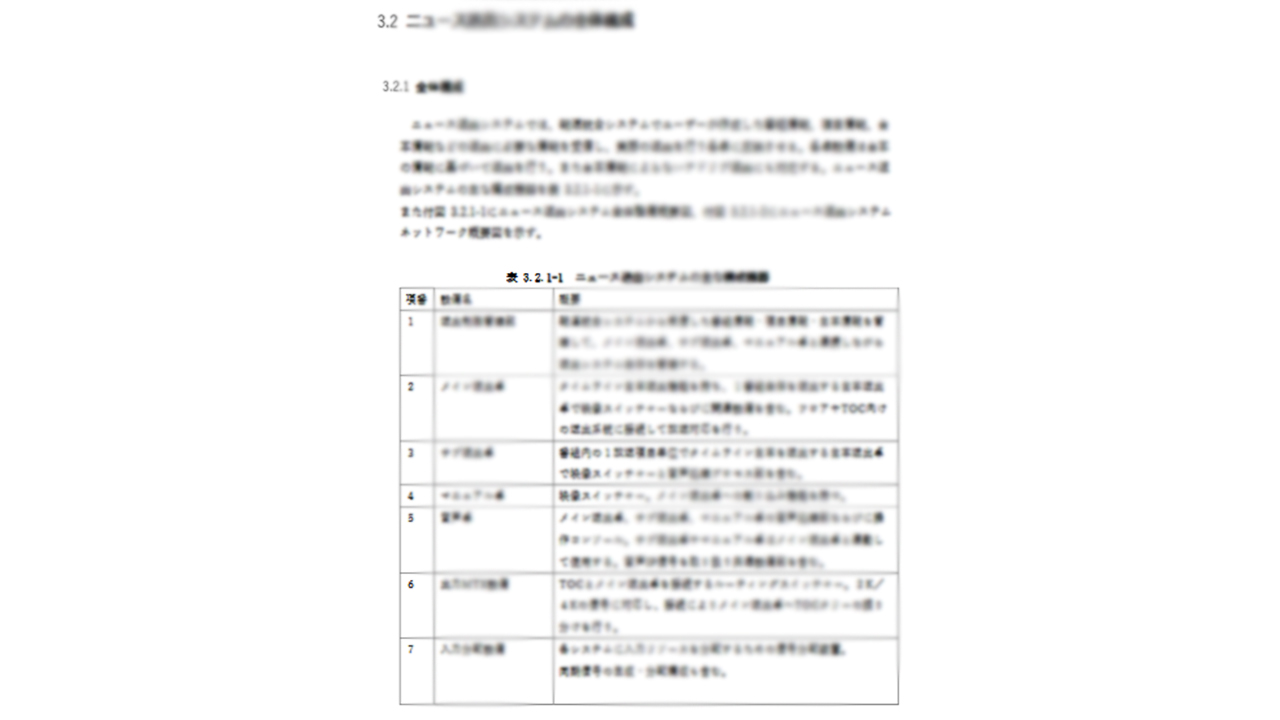
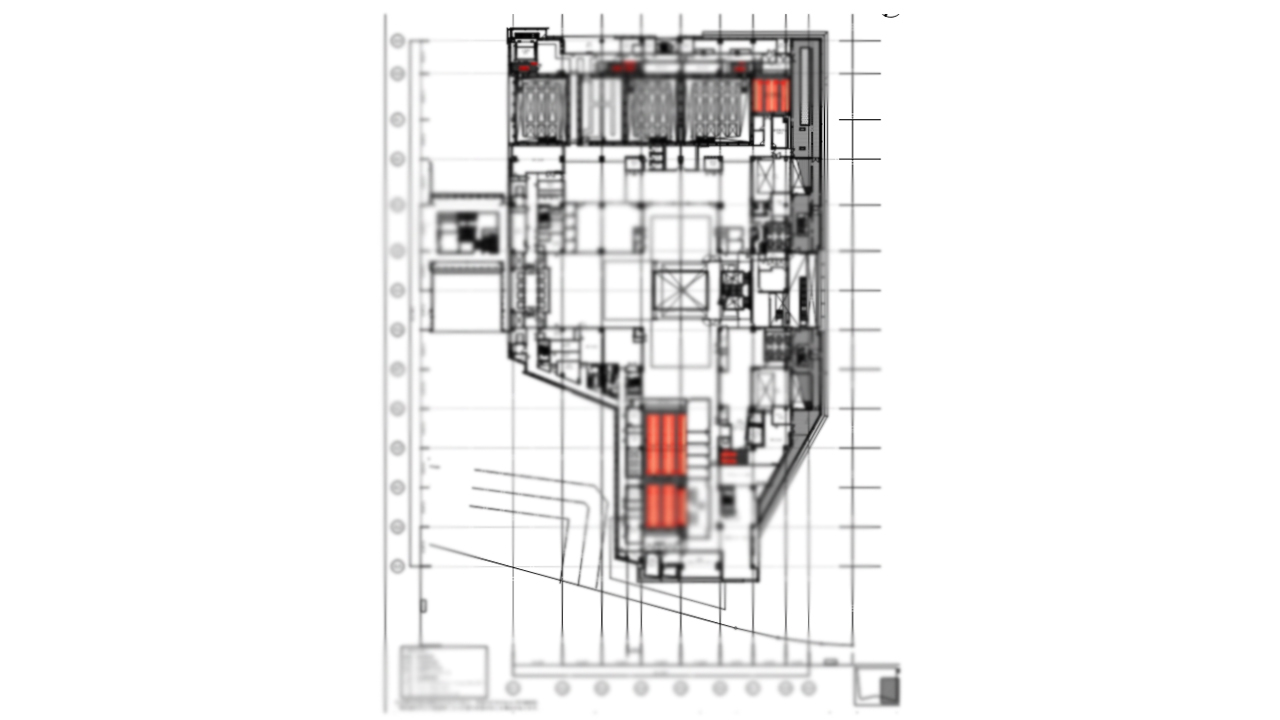
Naturally, the company is not disclosing details about the nature of the leak. After all, NHK - Japan’s public broadcasting corporation and one of the country’s most important technology clients - plays a special role in this story. Ikegami has a decades-long history of collaboration with NHK. In 2002, the two organizations jointly developed the world’s first 8K Super Hi-Vision camera and continued to build on that foundation. In 2015, Ikegami and NHK introduced the SHK-810 - the first portable 8K system of its kind.
But cameras are just the beginning of the chain. Newsrooms, content management, servers, editing, routing, audio, monitoring, automated program delivery, and backup systems… This is the digital fabric of modern television. And judging by the published fragments, it is precisely this fabric that has been compromised.
Some of the leaked files seem almost
harmless at first glance: diagrams, memos, instructions, and
technical work logs. But taken together, they paint a much more
valuable picture.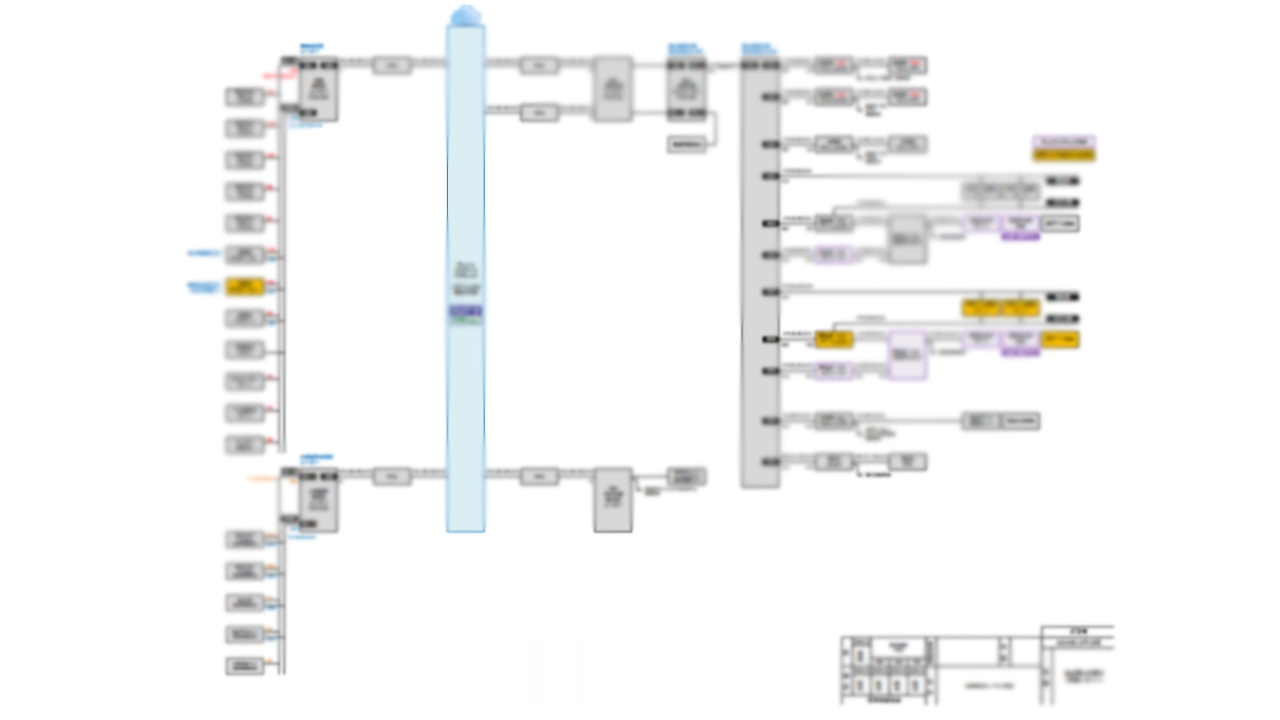
One document describes the architecture
of the news playout system: main and sub playout desks, manual desk,
output matrix, routing switches, signal distribution, and
synchronization. Another details the ASSET DB interface, data
classes, changes to hierarchies, the order of elements, and
notifications between components.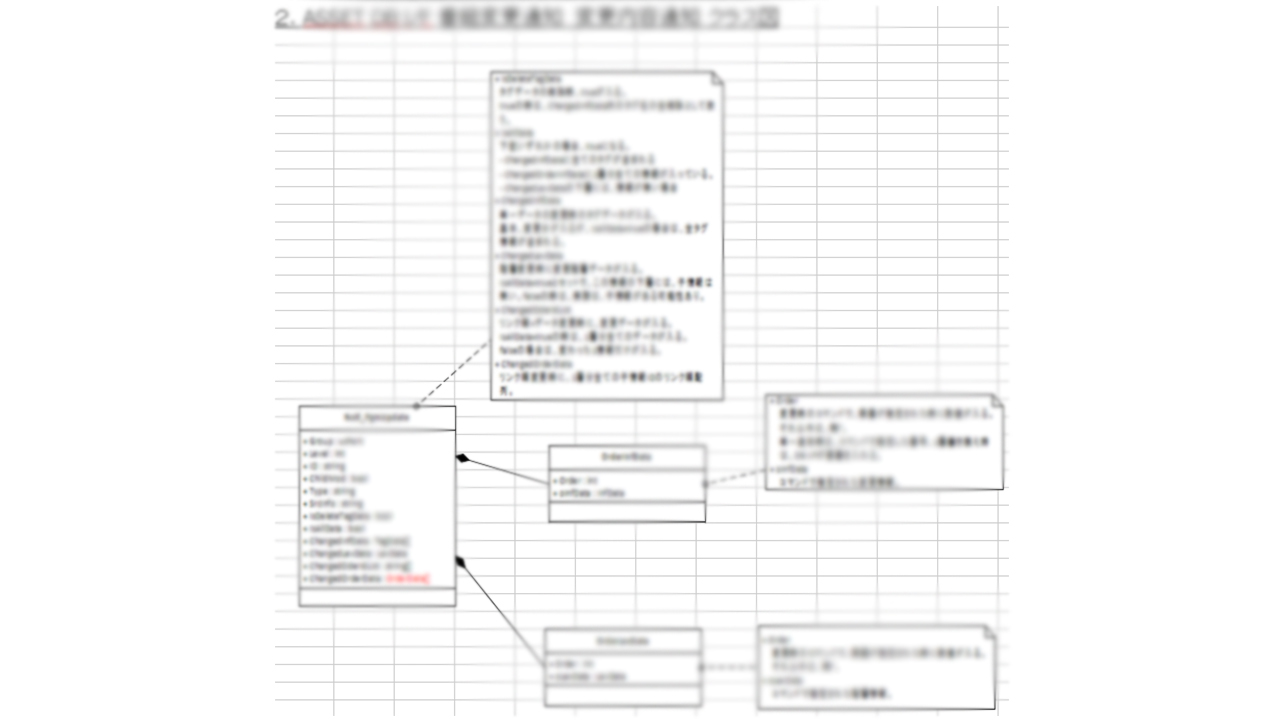
The most alarming documents are the
fault logs and operational reports. One of them describes an actual
failure of the Script Management Server.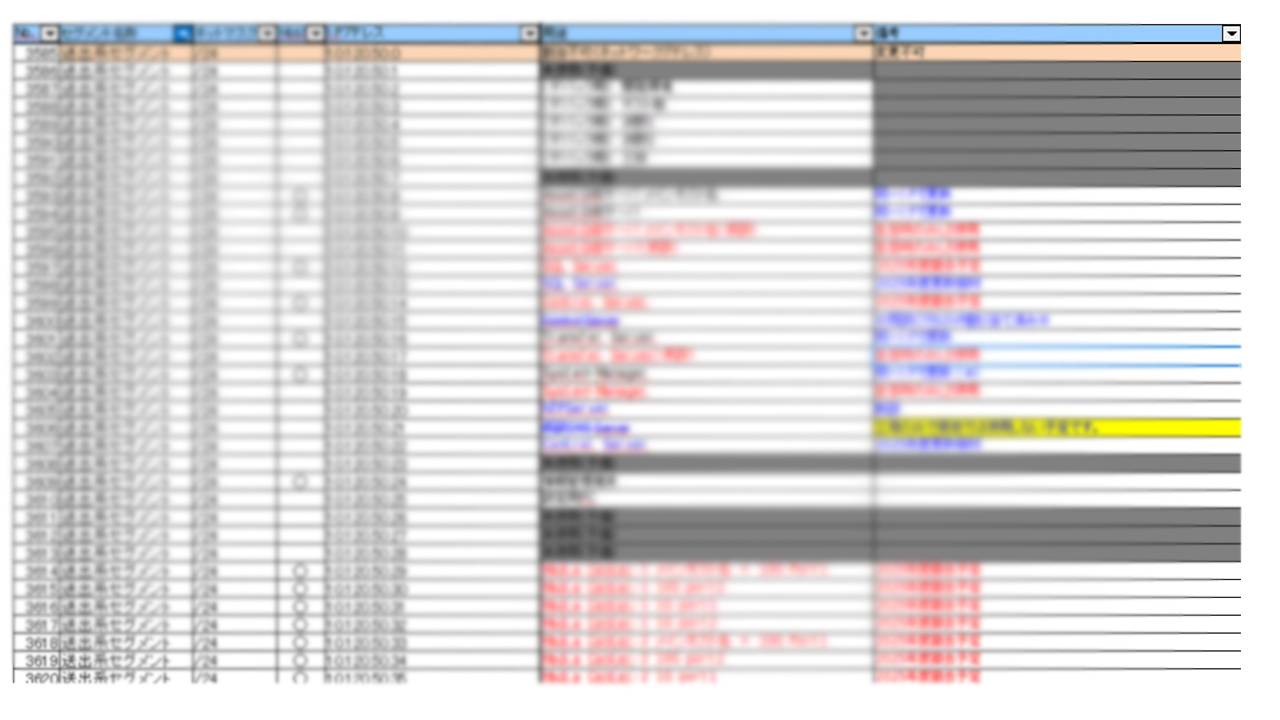
Another report
pertains directly to the NHK Matsuyama Broadcasting Station. It
describes an investigation into an ARCNET issue in the news desk’s
audio system.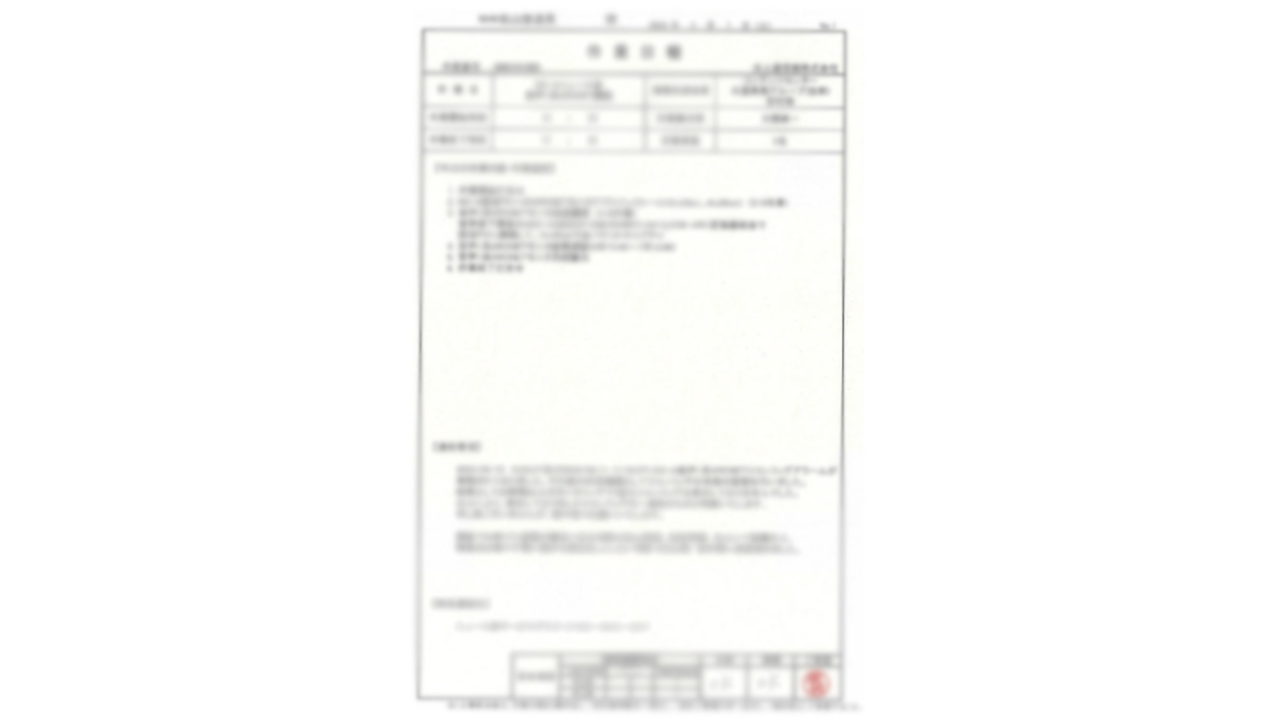
And there are a great many such documents in
the leak.
In the case of Ikegami, the combination of three layers is particularly dangerous. The first is the company’s own intellectual property: the architecture of software components, original engineering solutions, internal interfaces, and diagnostic and development methods. The second is client confidentiality: documents from NHK, Asahi TV, ABC, and other broadcasters mentioned in the dataset. The third is operational intelligence: actual sites, equipment, network segments, server roles, failure history, and recovery procedures. For a competitor, this could be a technical manual. For an attacker - a blueprint for an attack.
The broadcast business is built on a reputation for reliability. A broadcast company doesn’t just buy a device - it buys the assurance that, at a critical moment, the signal will be where it needs to be. If a client begins to believe that a supplier is incapable of protecting the architecture of its own network, an uncomfortable question arises: how safe is it to entrust them with the next master control system?
If the leaked data set does indeed contain tens of gigabytes of technical documentation on NHK, Asahi TV, ABC, and other clients, the main damage may not become apparent today - or even tomorrow. It may become apparent when someone pieces together the scattered fragments: an architectural diagram, a fault log, an address table, a process name, a piece of equipment model, and an old service engineer’s report. At that point, the cyberattack on Ikegami will no longer be an attack on just one company. It will become an attack on the infrastructure of Japanese television.
DATE FOR ANALYSIS PROVIDED BY QILIN